
BARNETT WADDINGHAM
Comprehensive platform redesign & brand development
Overview
LION&MASON were asked by Barnett Waddingham to help improve the usability of their online benefits platform to deliver a better experience for end users and create a more compelling sales proposition.
Activities
- Research + Discovery
- UX Design
- User Testing
- Art Direction
- UI Design

End to end UX design process
In our comprehensive redesign of the AS-IS platform, we undertook a meticulous discovery phase, including user testing, UX audits, and competitor analysis. This rigorous process not only established baseline metrics for future designs but also helped prioritise the most critical areas for improvement.
The redesign focused on enhancing user experience through a revamped information architecture, streamlined user journeys, and advanced data visualisation techniques.
Central to our approach was the development of a flexible, scalable design system based on atomic design methodology, featuring a typographic scale suited for various devices, accessible colour palettes, and a central responsive component library.
Immersion and understanding
Our first step was to host a kick-off workshop with the relevant stakeholders to define the project scope and set the direction for the user research. The workshop primarily focused on identifying the key users, their typical tasks, and priorities, enabling us to create a recruitment profile for the research. LION+MASON then carried out task-based user testing on their existing platform to better understand the wants, needs, behaviours, and experiences of key users regarding workplace benefits, using the current platform as a starting point for those discussions. The insights gathered provided a solid foundation for the wireframing phase.
An essential part of this sprint was ensuring that LION+MASON was fully engaged in the project. To achieve this, we mapped out existing user journeys, conducted a UX audit of the current platform, and completed a competitor analysis of other benefit solutions.

Making the complex simple
After analysing the insights from the user research and earlier discovery activities, LION+MASON used this information to begin refining the user journeys, simplifying steps, and reducing the overwhelming amount of content. The platform was enhanced through a re-architecture of the information structure, aligned with users’ needs and behaviours, which in turn influenced both traditional and in-page navigation. The main challenge arose from the on-page content-specifically, the need to visualise complex data using various data visualisation methods and reorganise the content hierarchy to improve engagement and readability. Low-fidelity wireframes were developed in preparation for user testing.


Validation with real users
The next phase of the project was to build upon the initial user research and validate our thinking by testing the low-fi prototype with real users.
The testing was conducted remotely, taking into account the users’ typical environments and devices. It involved scenario/task-based testing to maintain a consistent approach. The tasks were designed to address specific questions about the new UI and user experience, ensuring that users understood their location within the platform, the information displayed, and the overall usability. The findings from the user testing were analysed and compiled into a separate report, which was then presented and shared with key stakeholders. The insights gained helped validate our concept and guided the development of the high-fidelity designs.

Aligned vision
To ensure LION+MASON and stakeholders were aligned on the design direction, an art direction workshop consisted of the following:
- Capture the key requirements and goals of the user interface
- Brainstorm keywords related to the UI
- Prioritisation of those keyword and requirements to narrow down our focus
- Dot voting exercise to establish both LION+MASON and the client’s interpretation of specific styles e.g: Modern, Minimalist, Premium
From this LION+MASON were able to create Moodboards that outlined specific aesthetics.

Scalable design system
The penultimate phase involved developing a scalable and flexible UI by creating a design system based on the atomic design methodology. LION+MASON established a typographic scale for various devices, an accessible colour palette with multiple tints and shades, and a centralised library of reusable components for both desktop and mobile. The design system serves as a single source of truth that can be shared across teams and managed centrally.
LION+MASON also held sessions with Barnett Waddingham’s internal design team to walk them through the system and facilitate the handover, ensuring they are equipped to maintain and enhance it moving forward.


Custom themes for wider appeal
To attract a broader range of businesses, Barnett Waddingham requested from the outset that their new benefits platform be customisable with different themes. The final stage of the project saw LION+MASON developing several alternate themes for the platform, demonstrating the potential options when presenting the product to prospective customers.

“LION+MASON impressed with their flexibility, communication, and delivery. As a result our conversion rate for new business wins is now around 90%.”
Julia Turney
Partner and Head of Platform and Benefits – Barnett Waddingham

The latest insights on UX, UI & Product Design

LION+MASON and 383 Group Merge to Define the Next Generation of Digital Agency
We are thrilled to announce that LION+MASON and 383 Group have officially merged. This is more than just a business combination; it is a deliberate, strategic move to create a new type of partner—one uniquely qualified to solve the biggest challenge in modern development: building valuable, AI-enabled products that are centered around the human experience.…
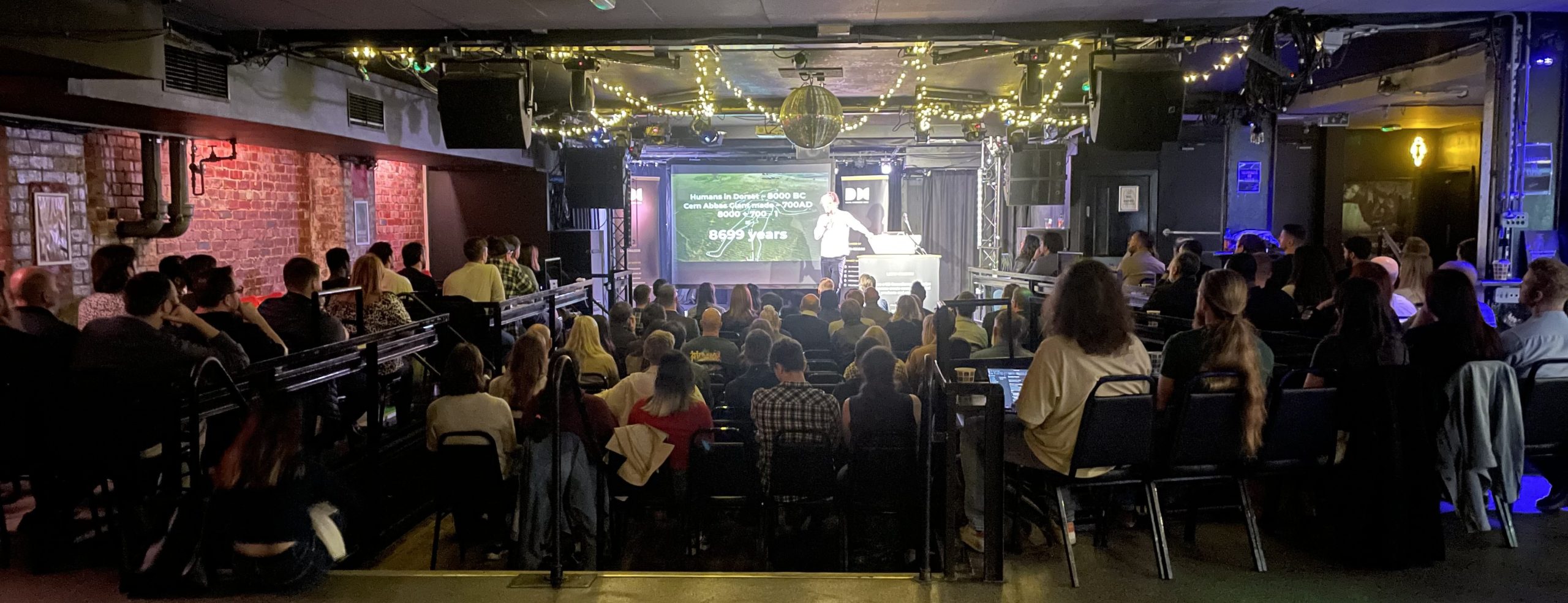
UX LEEDS 2025 Brings Together The UX Community For A Busy Afternoon Of Industry Talks And Discussion
On the 25th September we hosted another cracking UX themed live event at the iconic Wardrobe in Leeds City Centre. Built on the success and tradition of previous years it was the most popularly attended edition – into its 5th year and part of the Leeds Digital Festival programme. Guests from across the North of…